
Concerns
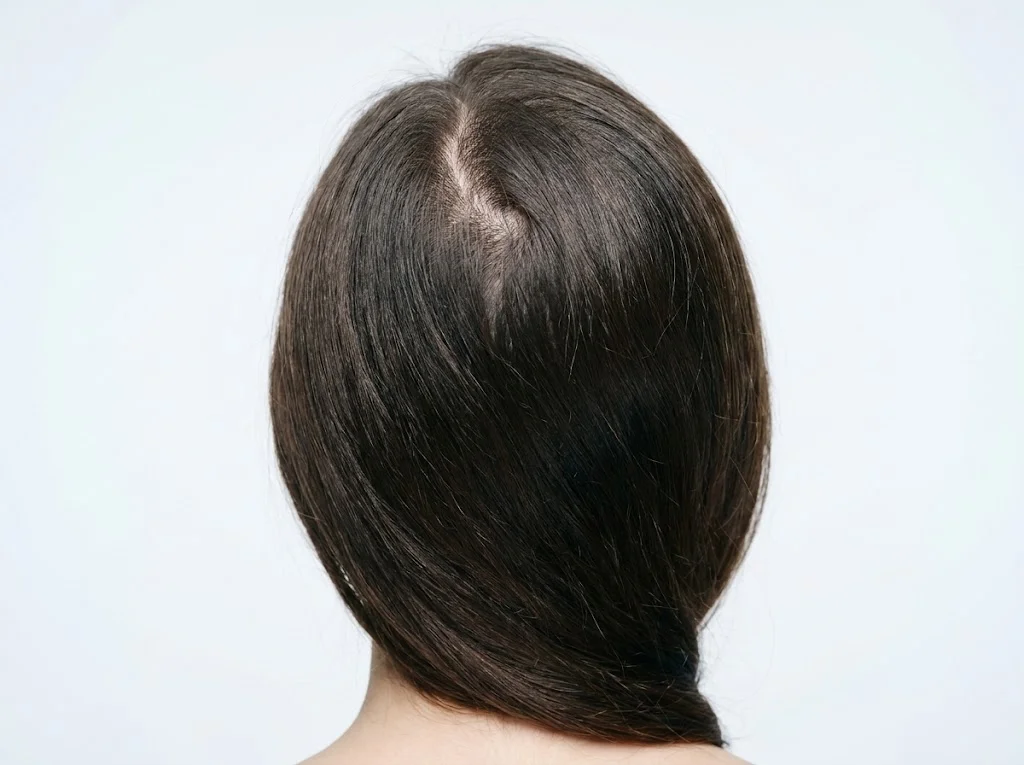
Hair Loss & Thinning
Early action meaningfully changes the outcome.
What's happening?
What's happening?
Hair loss is more common than it is talked about, and it affects both men and women. The causes vary significantly, and identifying the right one is the essential first step before any treatment can be effective.
Hair grows in cycles: an active growth phase, a transitional phase, and a resting phase before the follicle sheds and regrows. Hair loss occurs when this cycle is disrupted. This can happen when follicles spend too long in the resting phase, when the follicle itself progressively miniaturizes, or when damage prevents the follicle from cycling at all.
In androgenetic alopecia, the most common form, dihydrotestosterone (DHT, a hormone derived from testosterone) gradually shrinks hair follicles over time. This produces progressively finer and shorter hairs until the follicle stops producing hair altogether. This pattern is largely genetic and affects both sexes, though it presents differently in men and women.
Other causes operate through different mechanisms. Telogen effluvium pushes large numbers of follicles into the resting phase simultaneously, typically triggered by physical or emotional stress, illness, or hormonal shifts. Alopecia areata involves an autoimmune attack on the follicle itself and requires a different approach entirely.
Causes
Causes
- Androgenetic alopecia driven by genetic predisposition is the most prevalent cause.
- Hormonal changes are a significant driver across the lifespan. Postpartum shedding, thyroid dysfunction, perimenopause, and conditions like PCOS all affect the hair growth cycle in different ways.
- Nutritional deficiencies, particularly in iron, ferritin, vitamin D, and protein, impair the follicle's ability to sustain the growth phase. These are worth investigating with a doctor, as they are among the most correctable contributing factors.
- Chronic stress and significant physical illness can trigger diffuse shedding weeks to months after the event. The delay between cause and shed is one of the reasons the trigger often goes unrecognised.
Daily & Ongoing Care
Daily & Ongoing Care
The most effective thing you can do for hair health is identify the underlying cause early and address it. Many forms of hair loss are reversible if caught before follicle damage becomes permanent.
At home:
- Avoid hairstyles that place prolonged tension on the follicle, such as tight ponytails or braids, particularly during periods of active thinning.
- A balanced diet adequate in iron, ferritin, vitamin D, zinc, and protein supports follicle health.
- Gentle, sulphate-free cleansing maintains scalp health without stripping the environment the follicle sits in.
- Minoxidil (topical or oral) is the most evidence-backed at-home treatment for androgenetic alopecia. It requires consistent, long-term use to maintain results.
Professional treatments:
- Clinical assessment and blood work to identify reversible contributing factors is the most important first step.
- PRP, laser therapy, and prescription medications each work through different mechanisms and are best selected following a professional assessment of the underlying cause.
Related
Related Resources
Depending on the type and severity of acne, clinicians may recommend one or a combination of the following treatments:

Not sure what’s right for you?
Schedule a complimentary consultation with our experts to discuss your needs